Food
Eating Marrakech: A Street-Food Field Guide
What to eat, where to find it, what it roughly costs, and how to order like you've done it before — from Jemaa el-Fna's night stalls to the msemen griddle at dawn, with vegetarian and hygiene notes.
June 2026 · By Mohamed Lakhbab
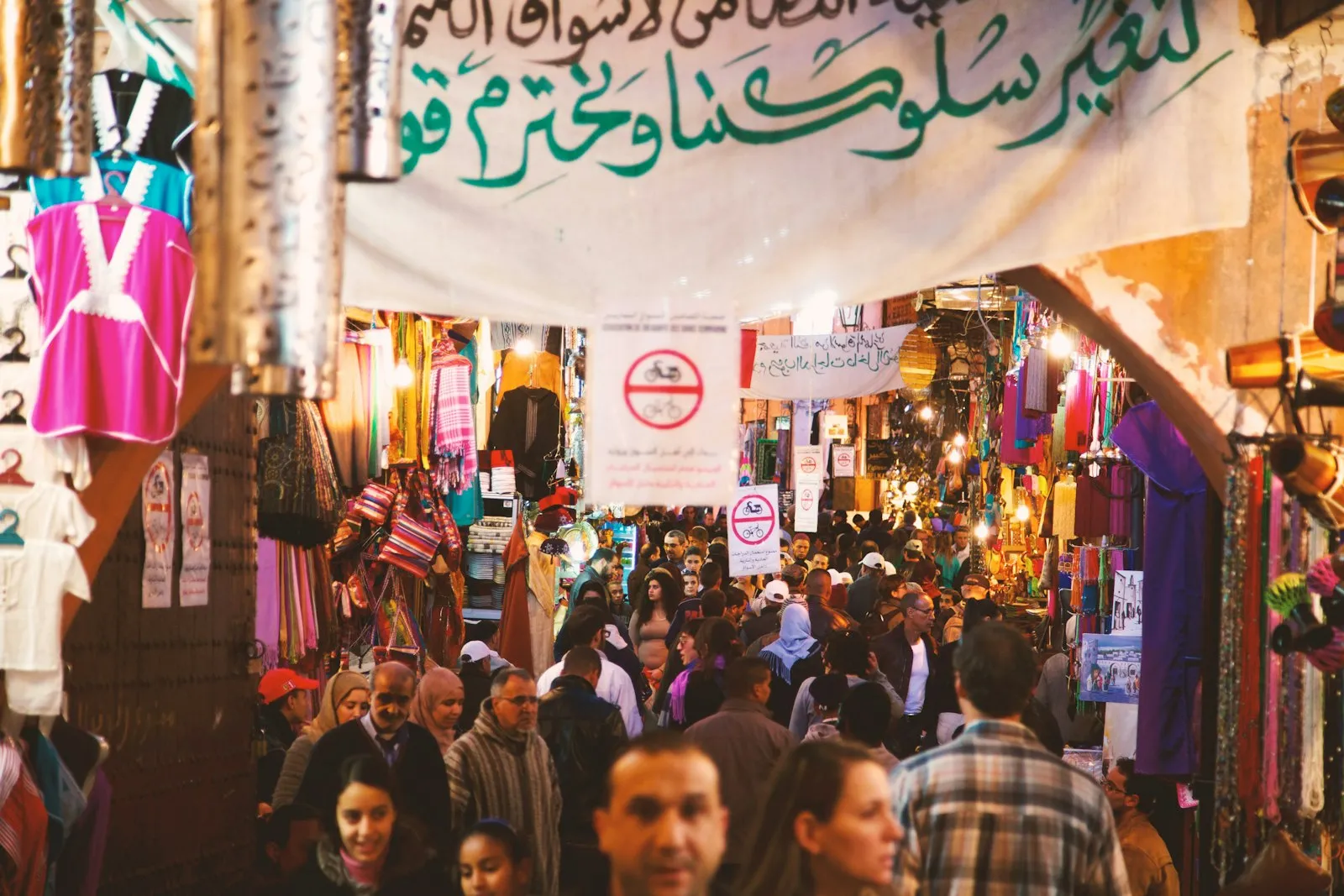
Marrakech eats late, cheaply and superbly, and the street is where the best of it happens. Here’s what to try, where to find it, what to expect to pay, and how to eat well without an upset stomach.
What to try
Start with the staples and work outwards:
- Harira — the thick tomato, lentil and chickpea soup that breaks the fast in Ramadan and warms every winter evening. Cheap, filling and everywhere.
- Grilled skewers (brochettes) and merguez — lamb, beef, chicken or spiced sausage cooked to order over charcoal. Watch them come off the heat.
- Tanjia — Marrakech’s own slow-cooked pot of meat, cumin and preserved lemon, traditionally buried for hours in the embers of a hammam furnace. A local specialty worth seeking out.
- Msemen and beghrir — the flaky square griddle-flatbread and the spongy “thousand-hole” pancake, best at breakfast with honey and butter.
- Snail soup (babbouche) — a squeamish rite of passage, sold from steaming cauldrons; the broth is the point.
- Sfenj — Moroccan doughnuts, fried fresh in the morning.
- Fresh orange juice and mint tea — the juice on the square is a rite of passage; the tea is non-negotiable.
Where to eat it
Jemaa el-Fna at night. As dusk settles, the great square fills with numbered food stalls, smoke and lantern light. It’s the obvious spot and still a genuinely good one — theatrical, cheap and open late. [TODO: confirm — any specific stall numbers you personally trust, if you want to name them.]
The souk snack stalls. Threaded through the market lanes are hole-in-the-wall griddles and grills where shopkeepers actually eat lunch — often better value and less touristy than the square. [TODO: confirm — a specific souk stall or lane worth pointing people to.]
Neighbourhood joints and Gueliz. Away from the medina, small local restaurants and the cafés of the new town do sit-down versions of the same dishes for a little more money and a lot more calm. See the neighbourhood guide for how the districts differ.
What it roughly costs
Prices shift constantly and vary by stall, so treat these as broad ranges rather than fixed figures — and carry small notes and coins, since stalls rarely make change for large bills.
- A bowl of harira or a sfenj: small change — just a few dirhams.
- Msemen, beghrir or a pastry: a few dirhams each.
- A glass of fresh orange juice: a few dirhams; mint tea similar in a café.
- A plate of grilled skewers or a filled stall dinner: low tens of dirhams — a light meal for pocket money.
- A sit-down restaurant dinner: several times a street meal, more in a tourist-facing riad.
A fair, gentle haggle is normal at market stalls that don’t post prices; agreeing the price before you order avoids the awkward end-of-meal surprise. For how much cash to carry and where to change money, see the travel tips.
Eating vegetarian
You’ll do better than you’d fear. Harira is often (not always) meat-free — ask, as some versions use a meat stock. Vegetable tagine, couscous with seven vegetables, zaalouk (smoky aubergine), taktouka (pepper and tomato), lentils, bread, olives and pastries are all easy to find, and mint tea and orange juice are always safe. Say bla lham (“without meat”); strict vegans should also check for butter, eggs and honey, and be aware that “vegetable” soups and tagines are sometimes built on a meat base.
Hygiene: eating well without regret
Street food here is generally safe if you use the same instincts locals do:
- Follow the queues. A busy stall with high turnover means fresh food and lots of scrutiny. Empty stalls are a warning, not a bargain.
- Eat it hot and freshly cooked. Watch your food come straight off the grill or out of the pot; skip anything sitting lukewarm or reheated.
- Be choosier with raw and room-temperature things — undressed salads, cut fruit left out, and anything that’s been sitting warm.
- Mind the water. Many short-trip visitors stick to bottled or filtered water and skip ice of unknown origin, at least early in the trip; the freshly squeezed juices are a safer bet than iced drinks. (More on the tap-water question in the travel tips.)
- Carry hand sanitiser — stalls are outdoors and hand-washing spots are scarce.
Ease in rather than eating everything at once on night one, and your stomach will thank you. And while the square is friendly, a few practised hustles work the crowd — our common scams guide covers the ones you’ll meet.
About the author
Mohamed Lakhbab is a hospitality professional based in Marrakech, where he manages riad properties and has spent years in Moroccan tourism. More about this guide.
Editorial independence: the author receives no payment or other consideration from any business connected to this article, and nothing here is a paid placement. Details, opening hours and prices change constantly — check locally before you rely on them.